Traditional Hun
Traditional Homemade Sauerkraut
Learn a simple, old-fashioned way to make homemade sauerkraut with cabbage, salt, patience, and a little homestead know-how.
Jump to Recipe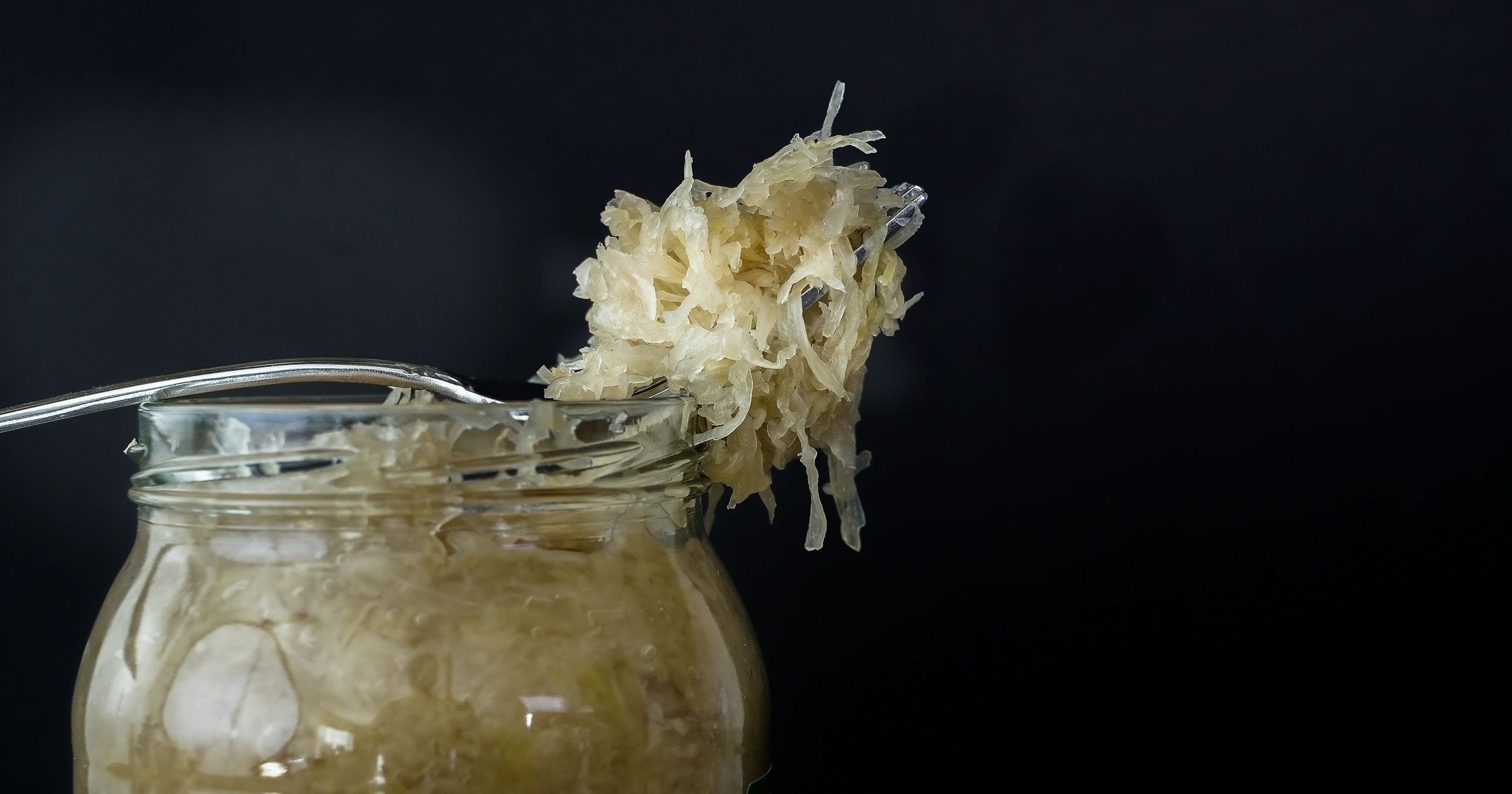
The Basics
What You Need
Traditional sauerkraut starts with just a few essentials: fresh cabbage, salt, a clean jar or crock, and enough time for natural fermentation to do its work.
Keep everything simple and clean. As the cabbage softens and releases its juices, it creates the brine needed to ferment safely and develop that classic tangy flavor.
Traditional Homemade Sauerkraut
Ingredients
Equipment
Method
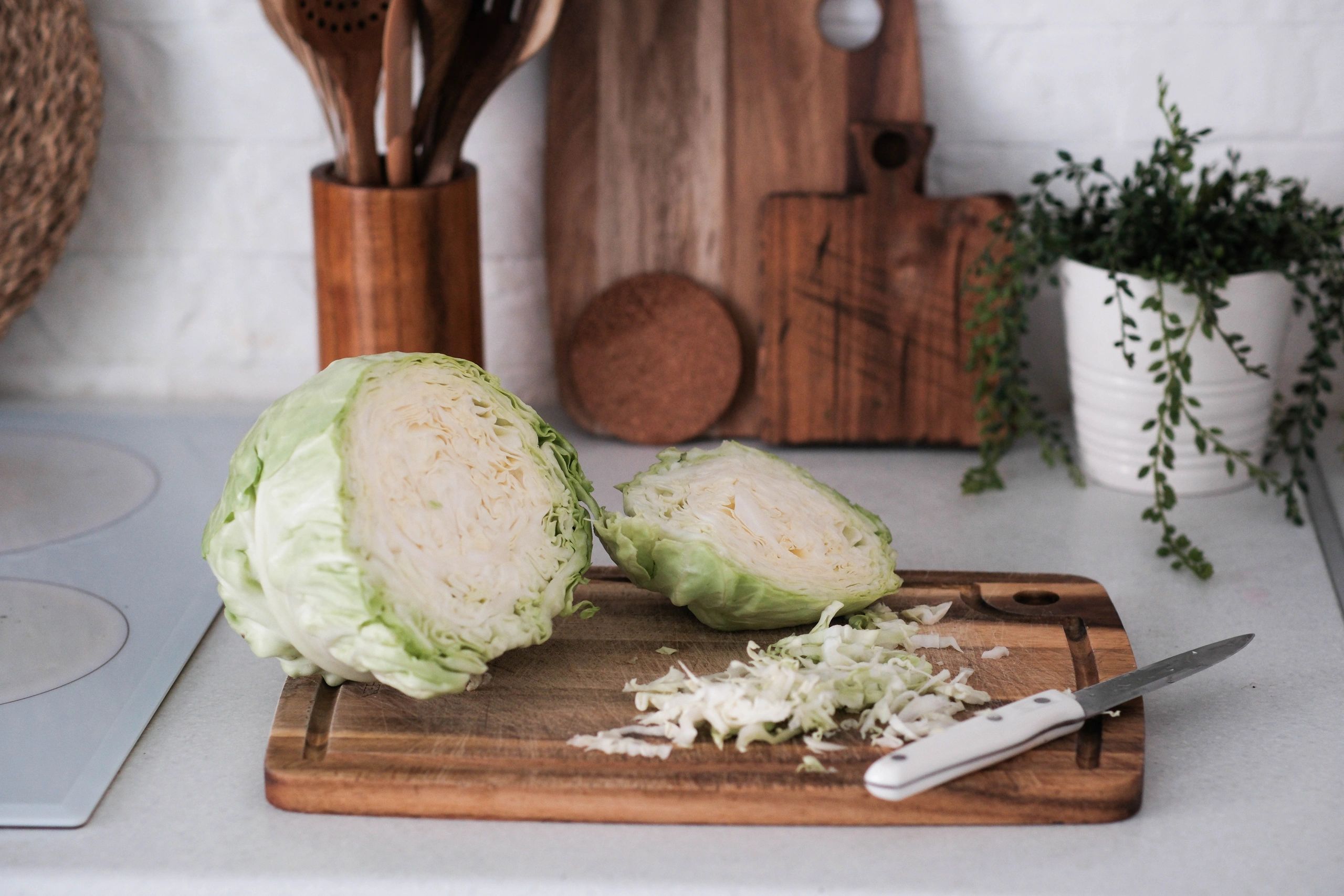
- Remove any damaged outer leaves from the cabbage.
- Finely shred the cabbage and weigh it.
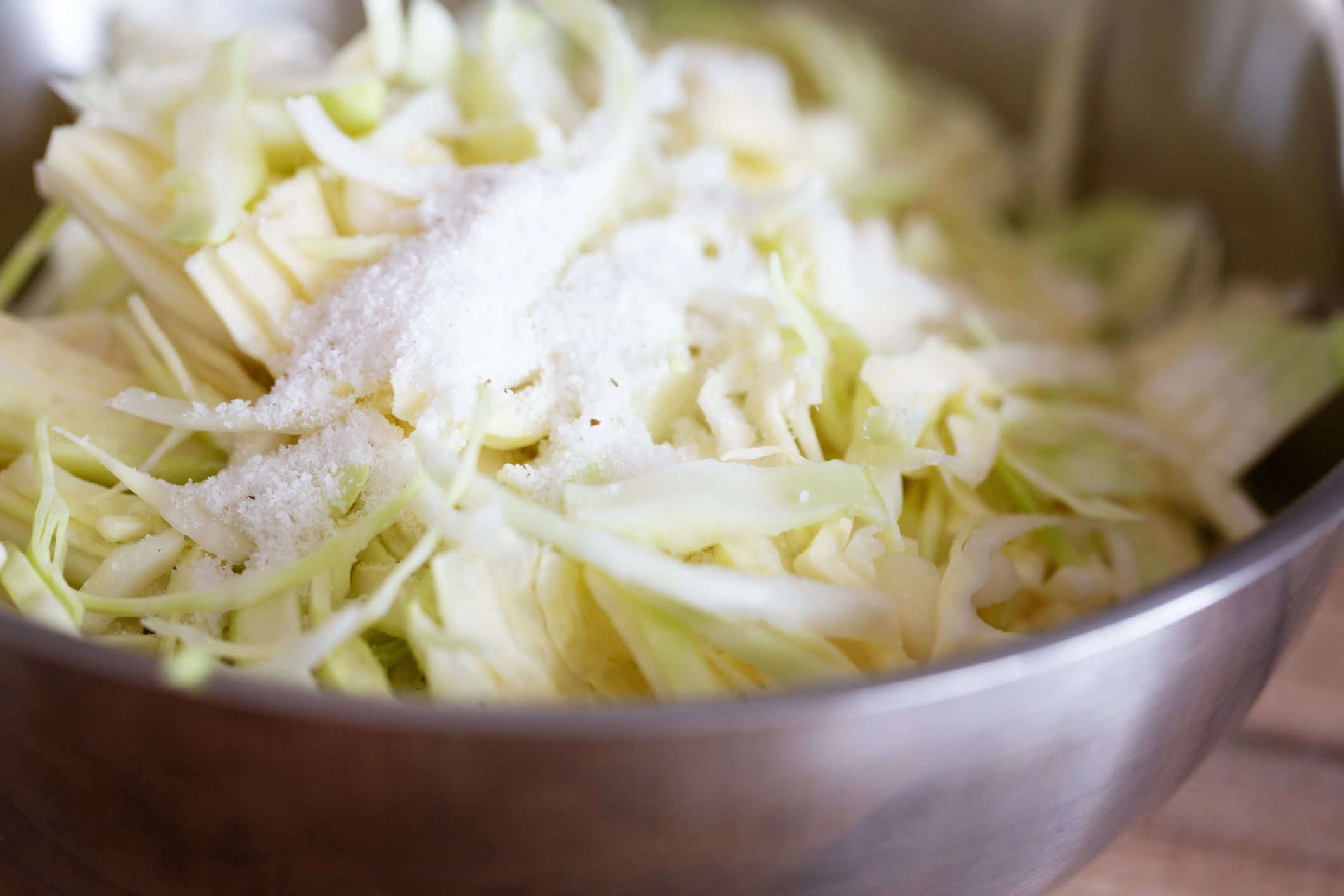
- Calculate 2% salt based on the cabbage weight and sprinkle the salt evenly over the shredded cabbage.
- Massage, bruise, and squeeze the cabbage by hand for several minutes until it begins releasing its natural juices.
- Pack the cabbage tightly into a clean mason jar, pressing firmly to force the cabbage below the liquid brine.
- Continue packing until the brine rises above the cabbage. The cabbage should stay submerged during fermentation.
- Loosely place a lid on the jar or use a fermentation lid to allow gases to escape.
- Store at room temperature for about 2 weeks. Fermentation time may vary depending on temperature and desired sourness. burp the jar everyday.
- Once the sauerkraut reaches your preferred flavor, refrigerate to slow fermentation.
Notes
Simple Ingredients
Use 1 large head of cabbage, 1 to 1 1/2 tablespoons of non-iodized salt, and optional caraway seeds if you enjoy a more traditional flavor. Slice the cabbage thinly, massage it with salt until it releases liquid, then pack it tightly into a jar or crock so the cabbage stays below the brine.
How To Make It
Follow these simple steps for a traditional batch at home.
1. Prep the cabbage
Remove any damaged outer leaves, core the cabbage, and slice it thinly.
2. Salt and massage
Place the cabbage in a large bowl with salt and massage it for several minutes until it softens and releases plenty of liquid.
3. Pack it tightly
Press the cabbage firmly into a clean jar or crock, pouring in any liquid from the bowl so the cabbage stays submerged.
4. Ferment and watch
Cover loosely or use a fermentation lid. Let it sit at room temperature for several days to a few weeks, checking that the cabbage remains under the brine.
5. Taste and store
Once the flavor is pleasantly tangy, move the sauerkraut to the refrigerator and enjoy it with traditional meals.
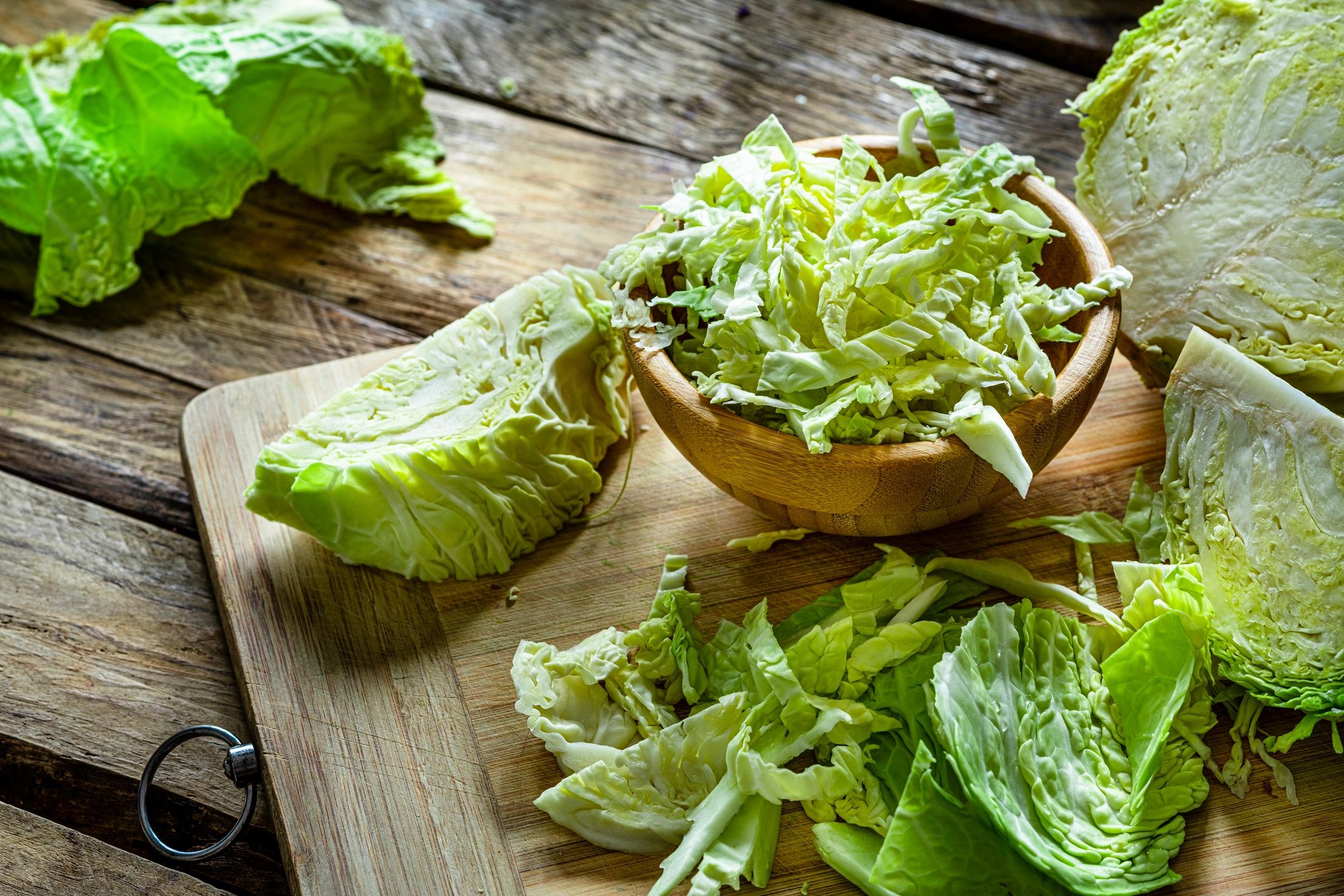
From Cabbage To Crock
A rustic look at the ingredients and process behind homemade sauerkraut.

More Homestead Cooking
Looking for more warm, rustic meal ideas? Visit the Traditional Hun Recipes page for more family-style favorites.